
See it made
Run it in Scenario
About this use case
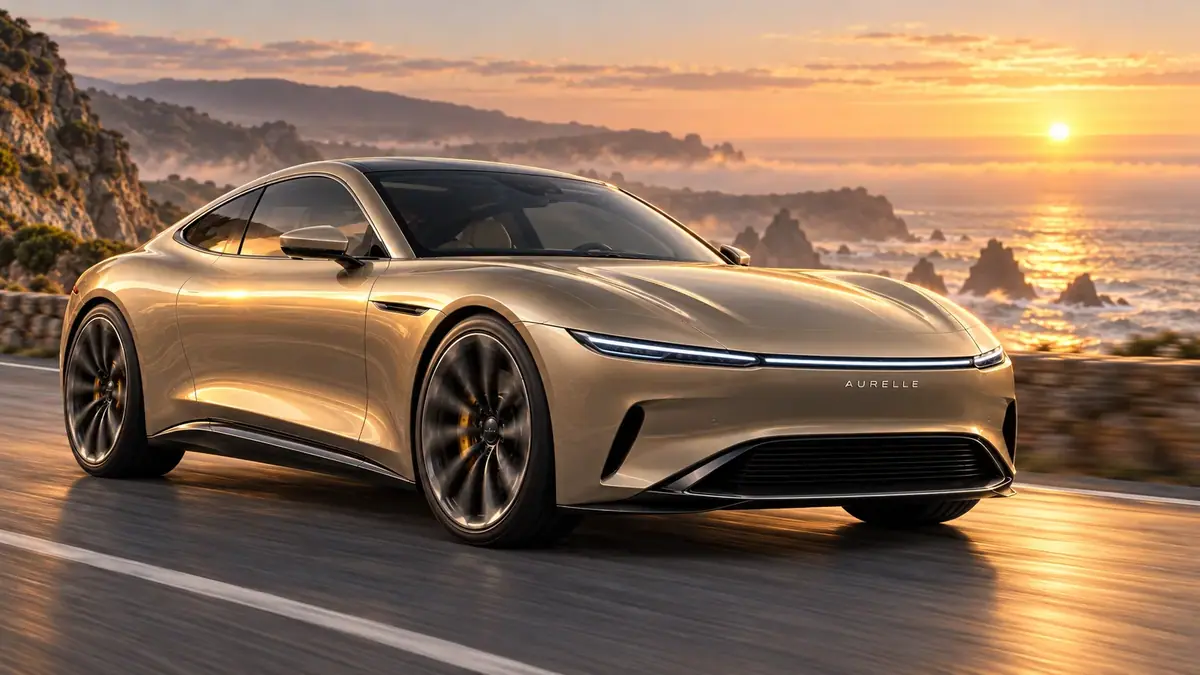
A continuous launch sequence for the Aurelle Solenne grand tourer from three Minimax H3 clips, about 20 seconds: the car comes out of a bend on a cliff road at dawn, drives along the sea and pulls onto an overlook. The clips join on shared frames, so the seams do not jump. The models and settings in this use case are as of October 2026.
See moreSee less
- A continuous sequence longer than one generation, built from short clips that join on shared frames, and the same action covered from several camera angles.
- Approve cheap key frames first and fix them with masked edits; for coverage, shoot one locked-off master and reshoot it as a reference video so every angle keeps the same action and timing.
- A clip costs many times a key frame, so fix faults on the still; each coverage beat is two video runs, a master and a reshoot, and the reshoot here waited about 8.5 minutes.
Step by step with an agent, through the Scenario MCP (7 steps)Hide the steps
Connect the Scenario MCP
Connect your agent and sign in once at mcp.scenario.com. Then tell it which Scenario team and project to use, so every file lands there.
Give the agent the files
The two campaign photos of the car (the first is the identity authority) and the location photo of the cliff road at dawn. Upload them with upload_asset or give their asset IDs. Later, for each masked edit, give it the mask you painted as an asset ID. A local agent joins the clips with ffmpeg.
Brief the agent: the sheet and the key frames
Close-ups show the wordmark, the wheels and the gold calipers, so the sheet has to show them. Every key frame starts with the same block, then one shot line and the style line.
Prompt1. Make the vehicle sheet with GPT Image 2.5 Sunburst (model_openai-gpt-image-2-5-sunburst), with referenceImages [campaign photo 1, campaign photo 2]. Prompt, word for word: Vehicle reference sheet for a car launch film, the same car as Image 1 and Image 2: the Aurelle Solenne, an invented electric grand tourer coupe in liquid satin champagne paint. Image 1 is the identity authority: keep every design detail exactly, the long low hood, the thin full-width light bar across the nose, the spaced AURELLE wordmark in small chrome capitals centered under the light bar, the wide low grille, the flush door handles, the dark multi-spoke turbine wheels with gold brake calipers, the smoked glass roof. Image 2 shows the same car in daylight. Layout on one plain warm light grey studio background, all views of the same car at the same scale on one ground line, soft even studio light, gentle floor shadow: top row, front view at headlight height and front three-quarter view from the left; bottom row, full side profile facing right and rear three-quarter view from the right showing a thin full-width rear light bar and a small chrome AURELLE wordmark on the tail. No license plates, no other text, no labels, no people. Automotive launch photography, controlled reflections, perfect panel gaps, no other brands. 2. When I approve the sheet, make the key frames with the same model, referenceImages [the sheet, the location photo], 1536 x 864. K1's prompt, word for word: Film still from a car launch film, 16:9. Image 1 is the authority for the car: the Aurelle Solenne electric grand tourer in liquid satin champagne, thin full-width light bar on the nose, spaced AURELLE wordmark under it, dark turbine wheels with gold calipers, no license plates. Image 2 is the authority for the place and light: a cliff road above a misty sea, rocky headlands, low dawn sun. The car always travels from left to right, the sea is always behind the road, the time is dawn. No text other than the AURELLE wordmark, no other vehicles, no people outside the car. Shot: wide establishing shot from a hillside above the road. The coastal road curves along the cliff edge across the frame, the misty sea and headlands behind it, the sky pale gold just before sunrise. The car is small in the left third of frame, coming out of a bend and heading right along the road, light bar and headlights on, a faint trail of mist behind it. Lots of open road ahead of it on the right. Automotive launch photography, controlled reflections, perfect panel gaps, no other brands. For K2 to K4, keep the first paragraph and the last line word for word and change only the shot line. Quote each run with a dry run first and wait for my go, then show me the key frames in a row.Fix faults with masked edits
Check every key frame against its neighbors and fix a fault on the still, not in the clip: an unmasked edit also darkened K2's rear window. Before any clip, put its two frames side by side.
PromptEdit K2 with GPT Image 2.5 Sunburst, referenceImages [K2] and mask set to the mask asset I give you. Prompt, word for word: Edit only the masked area: the car's front side window. Replace the visible driver and the cabin behind the glass with dark smoked glass, so the side window reads as deep tinted glass with only a soft reflection of the gold sky and the sea, like the other shots of this car. Keep the window frame, the chrome trim line and the mirror exactly as they are, matching the light, color and photographic rendering. Change nothing else. Then edit K1 the same way with its sky mask, so its sun matches K2. Prompt, word for word: Edit only the masked area: the sky and the sea on the right. Move the sun: remove the sun disc near the left edge of the masked area and its glitter path on the water, and paint the same low dawn sun near the right edge of the frame, just above the horizon haze, with its gold glitter path on the sea below it. The sun must appear exactly once. Keep the same pale gold sky, cloud streaks, mist and distant rocks, matching the light, color and photographic rendering. Change nothing else. Quote both first and wait for my go. Show me each edited frame next to the original.Brief the agent: the clips
PromptMake one clip per pair of key frames with Minimax H3 (model_minimax-h3): firstFrameImage and lastFrameImage set to the two frames, duration 6, resolution "2K". Clip 1 (K1 to K2), word for word: Shot 1 of a continuous car launch sequence, photoreal automotive film at dawn. The champagne grand tourer drives along the cliff road from left to right, nose first, at a steady cruising speed, its wheels turning forward with the road. The camera starts high on the hillside and descends smoothly in one move, swinging down to wheel height beside the road and settling into a tracking shot alongside the car as it passes. The shot ends exactly on the last frame: the car in full side profile in the center of frame, nose pointing right, the misty sea and the rising sun behind it. The car keeps its exact shape, paint, light bar and wheels the whole time. Sound of tires on asphalt, wind and a quiet electric hum, no music, no speech, no text. Add this sentence to clip 3's prompt (K3 to K4), word for word, because the tail wordmark smeared while the camera swung: The wordmarks are rigid chrome letters fixed to the body: whenever the front or tail wordmark is visible it reads AURELLE, sharp and spelled correctly, and never changes. Quote each clip with a dry run first and wait for my go. Then join the three clips with ffmpeg.Check both sides of every seam
Accept when the frames on both sides of each seam show the same car position and framing, there is one sun in every frame, the wordmark reads AURELLE whenever it is visible, and the wheels turn forward with the car nose first. Reject a jump at a seam, a second sun even for a few frames, a changed letter, or a car facing against its direction of travel.
PromptExport the frames on both sides of each seam (157 and 158, 315 and 316) and show them side by side. Check every frame of the joined film for a second sun and for the wordmark spelling, and tell me which clip to redo, if any.Optional: a master and a reshoot
PromptMake a locked-off master with Minimax H3: firstFrameImage K1 only, duration 8, resolution "768P". Prompt, word for word: One continuous take, photoreal automotive launch film at dawn. Static camera on a tripod on the hillside: the frame never moves, no pan, no tilt, no zoom, no push-in; only the car moves. 0 to 3 s: the champagne grand tourer comes out of the bend on the left and drives along the cliff road toward the right, nose first, its wheels turning forward with the road and its thin light bar glowing. 3 to 6 s: it passes along the stone wall at a steady speed. 6 to 8 s: it slows down and comes to a gentle stop near the right edge of the frame, still facing right. The sea is always behind the road and the low sun stays one single sun on the right. The car keeps its exact shape, paint, light bar and wheels the whole time. Sound of tires on asphalt, wind and distant surf, no music, no speech, no text. When I approve it, reshoot it with Minimax H3: referenceVideos [the master], referenceImages [the vehicle sheet], duration 8, resolution "768P", aspectRatio "16:9". Prompt, word for word: Re-shoot the same scene as the reference video with new camera coverage. Same action, same timing, same place, same dawn light, same photoreal automotive launch film look. The reference image is the vehicle sheet: the car's shape, champagne paint, thin light bar, AURELLE wordmark, dark turbine wheels and gold calipers must match it exactly. Four cuts: 0 to 2 s, low close-up tracking the front wheel and the light bar as the car comes out of the bend, the wheel turning forward. 2 to 4 s, side tracking shot at wheel height, the car in full profile driving from left to right, the stone wall and the sea behind it. 4 to 6 s, high wide shot from the hillside above the road, the car small on the cliff road, still driving from left to right, the sea beyond. 6 to 8 s, low front three-quarter view as the car slows and stops, the light bar and the AURELLE wordmark facing the camera. The car always travels from left to right of frame and the sea is always behind the road. Sound of tires, wind and surf, no music, no speech, no text. Quote each run first and wait for my go. Check that the cuts fall at 2, 4 and 6 seconds and that the car travels left to right in every cut. Then create a collection for the film with the sheet, the key frames and the kept clips, and report the models, every asset ID and the total cost spent.
Step by step in the web app (8 steps)Hide the steps
A sheet for the close-ups
A vehicle sheet made with GPT Image 2.5 Sunburst from two campaign photos: four views of the Aurelle Solenne. Close-ups show the wordmark, the wheels and the gold calipers, so the sheet has to show them.
PromptVehicle reference sheet for a car launch film, the same car as Image 1 and Image 2: the Aurelle Solenne, an invented electric grand tourer coupe in liquid satin champagne paint. Image 1 is the identity authority: keep every design detail exactly, the long low hood, the thin full-width light bar across the nose, the spaced AURELLE wordmark in small chrome capitals centered under the light bar, the wide low grille, the flush door handles, the dark multi-spoke turbine wheels with gold brake calipers, the smoked glass roof. Image 2 shows the same car in daylight. Layout on one plain warm light grey studio background, all views of the same car at the same scale on one ground line, soft even studio light, gentle floor shadow: top row, front view at headlight height and front three-quarter view from the left; bottom row, full side profile facing right and rear three-quarter view from the right showing a thin full-width rear light bar and a small chrome AURELLE wordmark on the tail. No license plates, no other text, no labels, no people. Automotive launch photography, controlled reflections, perfect panel gaps, no other brands.One block, one shot line per frame
Create › Images › GPT Image 2.5 Sunburst. Reference Images › Select from Library › the vehicle sheet (the run added the location photo second), Dimensions 1536x864; every key frame starts with the same block, then one shot line and the style line. This is K1.
PromptFilm still from a car launch film, 16:9. Image 1 is the authority for the car: the Aurelle Solenne electric grand tourer in liquid satin champagne, thin full-width light bar on the nose, spaced AURELLE wordmark under it, dark turbine wheels with gold calipers, no license plates. Image 2 is the authority for the place and light: a cliff road above a misty sea, rocky headlands, low dawn sun. The car always travels from left to right, the sea is always behind the road, the time is dawn. No text other than the AURELLE wordmark, no other vehicles, no people outside the car. Shot: wide establishing shot from a hillside above the road. The coastal road curves along the cliff edge across the frame, the misty sea and headlands behind it, the sky pale gold just before sunrise. The car is small in the left third of frame, coming out of a bend and heading right along the road, light bar and headlights on, a faint trail of mist behind it. Lots of open road ahead of it on the right. Automotive launch photography, controlled reflections, perfect panel gaps, no other brands.A masked edit, not a new frame
Check every key frame against its neighbors, and fix faults on the still with a masked edit: an unmasked edit also darkened K2's rear window, and K1's sun had to move right to match K2. Before any clip, put its two frames side by side.
PromptEdit only the masked area: the car's front side window. Replace the visible driver and the cabin behind the glass with dark smoked glass, so the side window reads as deep tinted glass with only a soft reflection of the gold sky and the sea, like the other shots of this car. Keep the window frame, the chrome trim line and the mirror exactly as they are, matching the light, color and photographic rendering. Change nothing else. Edit only the masked area: the sky and the sea on the right. Move the sun: remove the sun disc near the left edge of the masked area and its glitter path on the water, and paint the same low dawn sun near the right edge of the frame, just above the horizon haze, with its gold glitter path on the sea below it. The sun must appear exactly once. Keep the same pale gold sky, cloud streaks, mist and distant rocks, matching the light, color and photographic rendering. Change nothing else.First frame, last frame
Create › Videos › Minimax H3. First Frame K1, Last Frame K2, Duration 6 s, Resolution 2K; the prompt describes the motion between them and ends exactly on the last frame.
PromptShot 1 of a continuous car launch sequence, photoreal automotive film at dawn. The champagne grand tourer drives along the cliff road from left to right, nose first, at a steady cruising speed, its wheels turning forward with the road. The camera starts high on the hillside and descends smoothly in one move, swinging down to wheel height beside the road and settling into a tracking shot alongside the car as it passes. The shot ends exactly on the last frame: the car in full side profile in the center of frame, nose pointing right, the misty sea and the rising sun behind it. The car keeps its exact shape, paint, light bar and wheels the whole time. Sound of tires on asphalt, wind and a quiet electric hum, no music, no speech, no text.One sentence for the wordmark
Clip 3 (K3 to K4) smeared the tail wordmark while the camera swung, until this sentence was added to its prompt.
PromptThe wordmarks are rigid chrome letters fixed to the body: whenever the front or tail wordmark is visible it reads AURELLE, sharp and spelled correctly, and never changes.Check both sides of every seam
Join the three clips, then compare the frames on both sides of each seam (157 and 158, 315 and 316): same car, same framing, same light.
A locked-off master
Create › Videos › Minimax H3. First Frame K1 only, Duration 8 s, Resolution 768P; the first take held the camera but never stopped the car, so this one spells out what must not move and when the car stops.
PromptOne continuous take, photoreal automotive launch film at dawn. Static camera on a tripod on the hillside: the frame never moves, no pan, no tilt, no zoom, no push-in; only the car moves. 0 to 3 s: the champagne grand tourer comes out of the bend on the left and drives along the cliff road toward the right, nose first, its wheels turning forward with the road and its thin light bar glowing. 3 to 6 s: it passes along the stone wall at a steady speed. 6 to 8 s: it slows down and comes to a gentle stop near the right edge of the frame, still facing right. The sea is always behind the road and the low sun stays one single sun on the right. The car keeps its exact shape, paint, light bar and wheels the whole time. Sound of tires on asphalt, wind and distant surf, no music, no speech, no text.Reshoot with new cameras
Create › Videos › Minimax H3. Reference Videos › the master, Reference Images › the vehicle sheet, Duration 8 s, 768P, Aspect Ratio 16:9; four timed cuts, with the screen direction stated once, since a runner-up model's draft opened with the car facing left.
PromptRe-shoot the same scene as the reference video with new camera coverage. Same action, same timing, same place, same dawn light, same photoreal automotive launch film look. The reference image is the vehicle sheet: the car's shape, champagne paint, thin light bar, AURELLE wordmark, dark turbine wheels and gold calipers must match it exactly. Four cuts: 0 to 2 s, low close-up tracking the front wheel and the light bar as the car comes out of the bend, the wheel turning forward. 2 to 4 s, side tracking shot at wheel height, the car in full profile driving from left to right, the stone wall and the sea behind it. 4 to 6 s, high wide shot from the hillside above the road, the car small on the cliff road, still driving from left to right, the sea beyond. 6 to 8 s, low front three-quarter view as the car slows and stops, the light bar and the AURELLE wordmark facing the camera. The car always travels from left to right of frame and the sea is always behind the road. Sound of tires, wind and surf, no music, no speech, no text.