

See it made
About this use case
A 21-second teaser for VOLTARIS, a stylized hero shooter set on floating salvage islands. It opens on the action shot, then shows the world, a quiet moment with the hero, a line and the title. Every shot starts from an approved still, the score is generated first, and the picture is cut to the seconds where the music hits. Part 2 then takes a locked 25-second trailer cut and builds its full soundtrack: a score that follows the cut, timed foley and one hero sound effect on the exact frame, mixed to streaming loudness. The models and settings in this use case are as of October 2026.
See moreSee less
- A 21-second teaser that opens on its action shot, built from three approved stills, a generated score and title cards set in code.
- Generate the score first, measure where it hits, and cut the picture to those seconds; run the shoot-out on the action shot only.
- For a full soundtrack on a locked cut: a score that follows the picture, timed foley, one hero sound effect placed by frame, and a mix measured to a target loudness.
Step by step with an agent, through the Scenario MCP (7 steps)Hide the steps
Connect the Scenario MCP
Connect your agent and sign in once at mcp.scenario.com. Then tell it which Scenario team and project to use, so every file lands there.
Give the agent the files
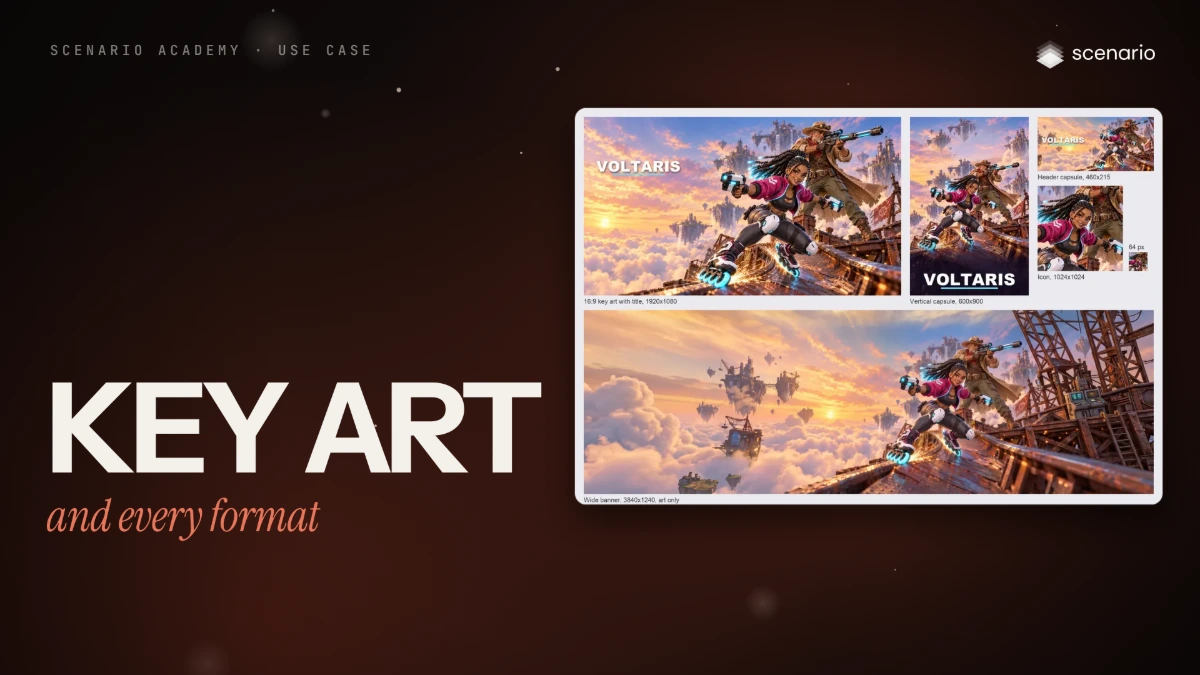
For the teaser: the approved key art master (Zuri and Marlow on the rail), the world still and the rooftop character scene, plus your title logo or font. For the soundtrack: the locked, silent 25-second cut. The agent uploads them with upload_asset (the run's 25-second cut went up in two parts). A local agent cuts and mixes with ffmpeg.
Brief the agent: score first
The shot list is timed in seconds, and the picture is cut to where the score really hits, so the music comes before any video.
PromptRun the same cue sheet on two music models, started with wait: false and collected with one jobs_wait: Google Lyria 3.5 (model_lyria-3-5), and ElevenLabs Music v2.5 (model_elevenlabs-music-v2-5) with durationSeconds 20 and forceInstrumental true. Quote the cost with a dry run first and wait for my go. Cue sheet, word for word: Instrumental hybrid orchestral and synth trailer cue for a stylized hero-shooter game teaser, 20 seconds long, 120 BPM, minor key turning hopeful. [0:00 - 0:03.5] opens instantly on a punchy drum hit with driving staccato strings and a pulsing synth bass, high energy. [0:03.5 - 0:09] drops suddenly to wide airy pads and soft sustained strings, scale and wonder. [0:09 - 0:11] a gentle warm solo piano motif over the pads. [0:11 - 0:13] a rising riser and snare build. [0:13 - 0:20] one huge cinematic impact hit with low brass at 0:13, then a long sustained chord that rings out and fades to silence. Instrumental only: no vocals, no choir, no spoken words. Then plot the loudness of each result every 10 ms and tell me where it really drives, drops and hits, in seconds. Neither model may follow the timeline: I will cut the picture to the kept score's seconds.Brief the agent: the shots
In the shoot-out Omni turned her braids into a ponytail, Seedance tinted Marlow green, and MiniMax H3 only moved once the beats and keep-list were in.
PromptAnimate each still with MiniMax H3 (model_minimax-h3): firstFrameImage set to the still, duration 5, resolution "768P". Start them with wait: false and collect them with one jobs_wait. Quote first and wait for my go. Action shot, from the key art, word for word: Fast action. She pushes off and grinds down the rusted iron rail straight toward the camera on her roller blades, sparks spraying from her glowing cyan wheels, then fires both white blasters ahead in short cyan pulses. Behind her, the older sniper in the wide hat fires his long rifle once, a bright cyan beam streaking off to the right. The camera dollies backward fast and low to stay ahead of her. Keep both characters exactly as in the first frame: her face, her long black box braids with glowing cyan tips, silver hoop earrings, cropped magenta jacket with the white chevron, white knee guards; his wide hat, goggles, grey beard and long sand coat. Stylized 3D game art. No text, no cuts. World shot, from the world still, word for word: Slow cinematic establishing shot. The camera glides forward and slightly right over the sea of golden sunset clouds toward the floating salvage islands. Waterfalls pour steadily off the island edges, two small salvage airships drift slowly between the islands, the clouds roll gently below, warm window lights flicker on the central island. Keep the islands, towers, cranes, radio mast and colors exactly as in the first frame. Stylized 3D game art. No people, no text, no cuts. For the rooftop shot, use the same settings: a very slow push-in as she sits on the ledge at night, swings one foot, looks up and smiles, with her face, braids, magenta jacket, knee guards and skates kept exactly as in the first frame.Check the shots and cut the teaser
Accept when the first frame is the hook, faces, hair and outfits match the first frames throughout, hands stay whole on the weapons and the camera move matches the shot list. Reject a drifting face or braid, a color shift on one character, a broken limb or generated text.
PromptCheck each take frame by frame against its first frame and tell me which to redo. Then cut the teaser at 1280 x 720, 24 fps, to the kept score's seconds: action 0 to 4.5 s, world 4.5 to 8.5 s, rooftop 8.5 to 13.0 s. Set the line "Salvage the sky." and the VOLTARIS title with "Coming soon to PC and console" in code, never generated, with the title on the measured impact.Brief the agent: a soundtrack on a locked cut
Sound comes after picture lock, because a changed cut means redone sound. You decide what each shot sounds like; the model times it to the motion.
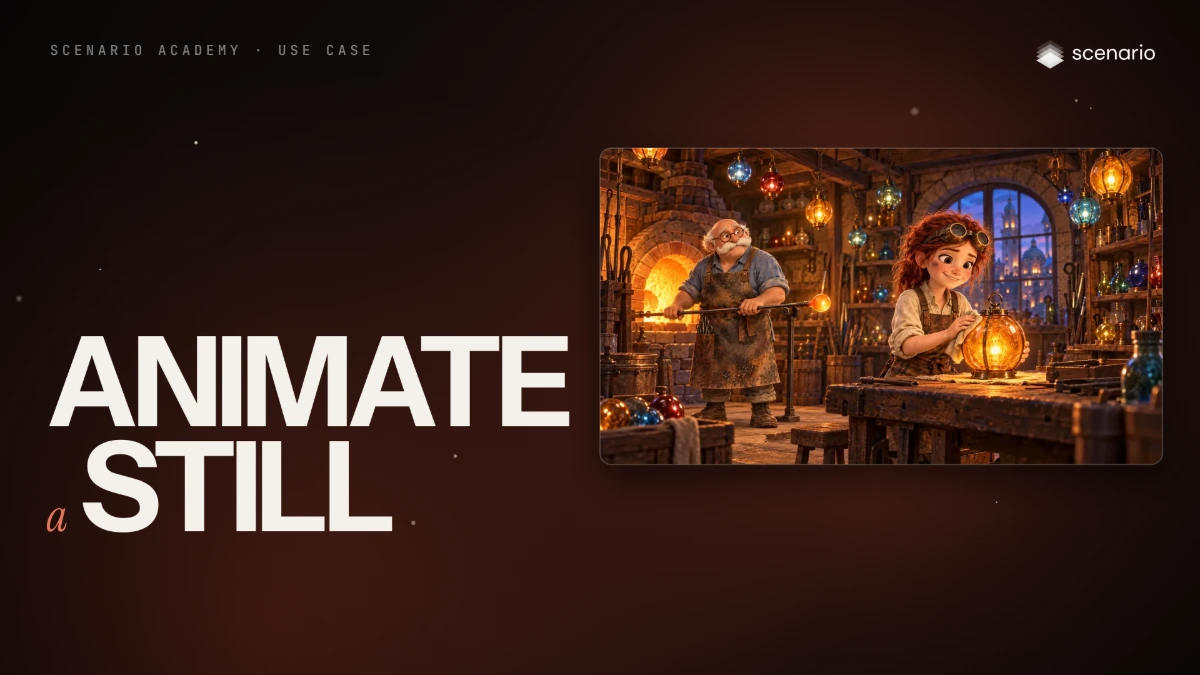
PromptUpload the silent locked cut with upload_asset. Then run, started together with wait: false and collected with one jobs_wait: 1. Sonilo V1.1 - Video to Music (model_sonilo-v1-1-video-to-music) with video set to the cut. Prompt, word for word: Orchestral trailer score for a painterly animated feature, no vocals, with a strict timeline. 0 to 8 seconds: quiet and intimate, a lone celesta and harp motif over soft sustained strings as the lantern is lit and polished in the workshop. 8 to 9 seconds: the music stops almost completely, a held breath of near silence as the rope slips free. 9 to 21 seconds: strings return with a gentle pulse and grow steadily as the lantern drifts down the canal and the girl chases it, building to a soaring strings and french horn theme. 21 to 25 seconds: a soft, warm resolution under the dusk title card, ending on a quiet sustained chord. 2. Sonilo V1.1 Video to SFX (model_sonilo-v1-1-video-to-sound-effects) with video set to the cut and a segments array: one segment per line below, its start and end in seconds and its prompt word for word: 0-3 quiet glass workshop at night, a small flame catching on a wick with a soft whoosh, gentle crackle of a candle flame 3-5.5 cozy workshop interior, low roar of a brick furnace, soft cloth polishing glass, faint clink of hanging glass lanterns 5.5-9 close water lapping against a wooden boat, a wet rope creaking and sliding on wood and iron 9-12.5 calm canal at night, gentle water lapping on stone, a glass lantern bobbing softly on the water 12.5-15.5 small wooden boat creaking, water lapping against the hull, light breeze 15.5-18.5 a wooden pole plunging into water and lifted out with drips, a punt gliding, water rushing along the hull 18.5-21 calm canal water under a stone bridge, soft ripples, light echo 21-25 quiet evening canal, gentle lapping water, soft breeze, calm 3. ElevenLabs Sound Effects 2 (model_elevenlabs-sound-effects-v2) with durationSeconds 2 and promptInfluence 0.6. Text, word for word: A wet rope slipping free from an iron mooring ring on a wooden boat: a short rasp of rope sliding over metal, a soft clank as the ring drops against the wood, then the loose end slapping into canal water with a small splash. Close, intimate, quiet night, no music. Quote all three with a dry run first and wait for my go.Place, mix, measure, file and report
Accept when the score drops at the slip and rises over the drift, each shot sounds like what it shows, the rasp ends as the rope leaves the ring, and loudness is within 1 LU of target with true peak below -1 dB. In the run both score takes swelled at the slip, so the hush was cut in by hand.
PromptCheck the rope effect's waveform for rasp, clank and splash in that order, and start it at 7.45 s so the rasp ends on the slip (the rope is through the ring at 8.20 s and gone at 8.30 s). If the score swells at the slip, duck it by 26 dB for one second. Mix, normalize to -14 LUFS and measure integrated loudness and true peak. Then create a collection for the trailer with the score, the shots and the sound files, and report the models, every asset ID, the loudness figures and the total cost spent.
Step by step in the web app (11 steps)Hide the steps
A shot list in seconds
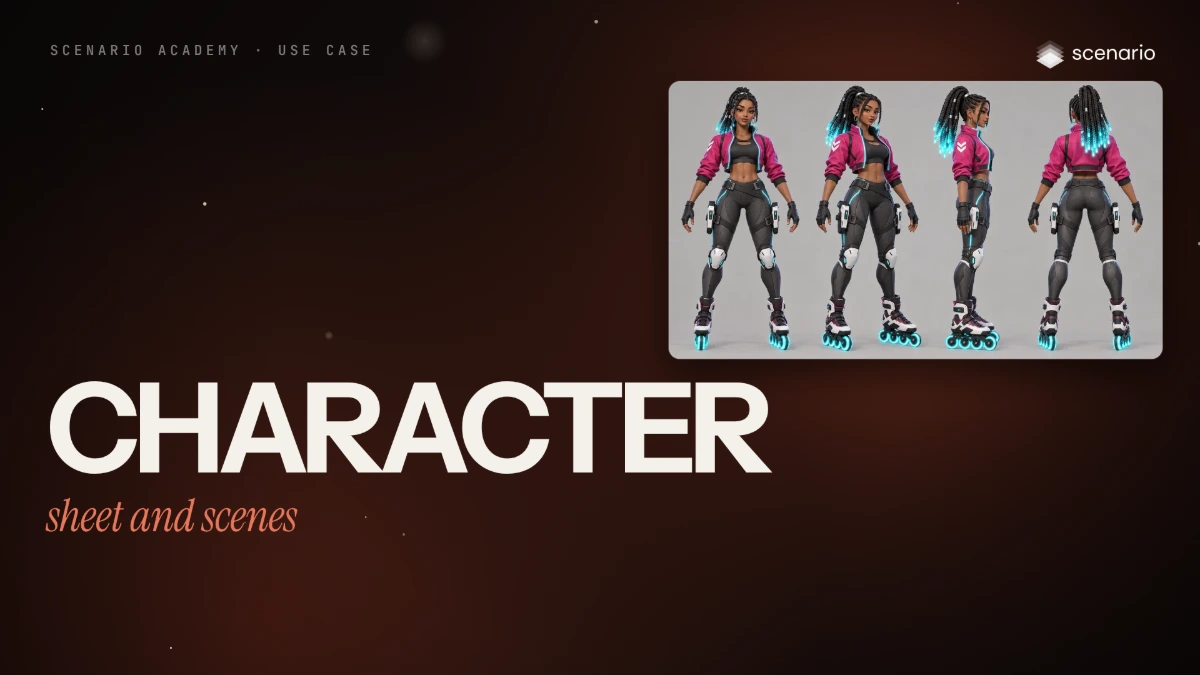
Start with a shot list timed in seconds: the action, the world, a quiet moment with the hero, a line and the title. The cast is Zuri and Marlow, from the character film.
Score it before any video
Create › Audio › Google Lyria 3.5. Write a cue sheet with timestamps (a punchy open, a drop, a build, one big hit); the same sheet went to two music models.
Measure where it hits
Neither model followed the timeline, so measure where the kept score really hits: a drive to 11.4 s, near silence by 14.8 s, the impact at 15.55 s. The picture is cut to those points.
The key art is the first frame
Create › Videos › Minimax H3, the key art master as First Frame, Resolution 768P. Write the action as beats, give the camera one move and name what must hold: in the shoot-out Omni turned her braids into a ponytail, Seedance tinted Marlow green, and Minimax only moved once the beats and keep-list were in.
PromptFast action. She pushes off and grinds down the rusted iron rail straight toward the camera on her roller blades, sparks spraying from her glowing cyan wheels, then fires both white blasters ahead in short cyan pulses. Behind her, the older sniper in the wide hat fires his long rifle once, a bright cyan beam streaking off to the right. The camera dollies backward fast and low to stay ahead of her. Keep both characters exactly as in the first frame: her face, her long black box braids with glowing cyan tips, silver hoop earrings, cropped magenta jacket with the white chevron, white knee guards; his wide hat, goggles, grey beard and long sand coat. Stylized 3D game art. No text, no cuts.Cards in code, cut to the seconds
Set the line and the title in code, never generated. The whoosh peaks on the cut into the world shot, and the impact lands under the title at 15.55 s.
Lock the picture
Part two starts from a locked, silent 25-second cut. Sound comes after picture lock, because a changed cut means redone sound.
A score that watches the cut
Create › Audio › Sonilo V1.1 - Video to Music, with the silent picture lock attached. Write the emotional map in seconds: intimate in the workshop, a held breath at the rope slip, strings building as the lantern drifts.
PromptOrchestral trailer score for a painterly animated feature, no vocals, with a strict timeline. 0 to 8 seconds: quiet and intimate, a lone celesta and harp motif over soft sustained strings as the lantern is lit and polished in the workshop. 8 to 9 seconds: the music stops almost completely, a held breath of near silence as the rope slips free. 9 to 21 seconds: strings return with a gentle pulse and grow steadily as the lantern drifts down the canal and the girl chases it, building to a soaring strings and french horn theme. 21 to 25 seconds: a soft, warm resolution under the dusk title card, ending on a quiet sustained chord.Foley, one segment per cut
Sonilo V1.1 Video to SFX on the same cut: Add Segments once per cut, each with its Start, End and Prompt (start and end in seconds below). You decide what each shot sounds like; the model times it to the motion.
Prompt0-3 quiet glass workshop at night, a small flame catching on a wick with a soft whoosh, gentle crackle of a candle flame 3-5.5 cozy workshop interior, low roar of a brick furnace, soft cloth polishing glass, faint clink of hanging glass lanterns 5.5-9 close water lapping against a wooden boat, a wet rope creaking and sliding on wood and iron 9-12.5 calm canal at night, gentle water lapping on stone, a glass lantern bobbing softly on the water 12.5-15.5 small wooden boat creaking, water lapping against the hull, light breeze 15.5-18.5 a wooden pole plunging into water and lifted out with drips, a punt gliding, water rushing along the hull 18.5-21 calm canal water under a stone bridge, soft ripples, light echo 21-25 quiet evening canal, gentle lapping water, soft breeze, calmOne hero sound, checked on its waveform
Choose a Model › Audio › SFX › ElevenLabs Sound Effects 2, Duration 2 s, Guidance 0.6, the prompt in Sound Description. Its waveform shows rasp, clank and splash in order; Mirelo returned a single thud.
PromptA wet rope slipping free from an iron mooring ring on a wooden boat: a short rasp of rope sliding over metal, a soft clank as the ring drops against the wood, then the loose end slapping into canal water with a small splash. Close, intimate, quiet night, no music.Place it by frame
The rope is through the ring at 8.20 s and gone at 8.30 s. So the effect starts at 7.45 s, and its rasp ends on the slip.
Measure the mix
Both score runs swelled at the slip, so the hush was cut in by hand: 26 dB down for one second. Then mix, normalize and measure: -13.4 LUFS with peaks at -1.6 dB, on a -14 LUFS target.
Related